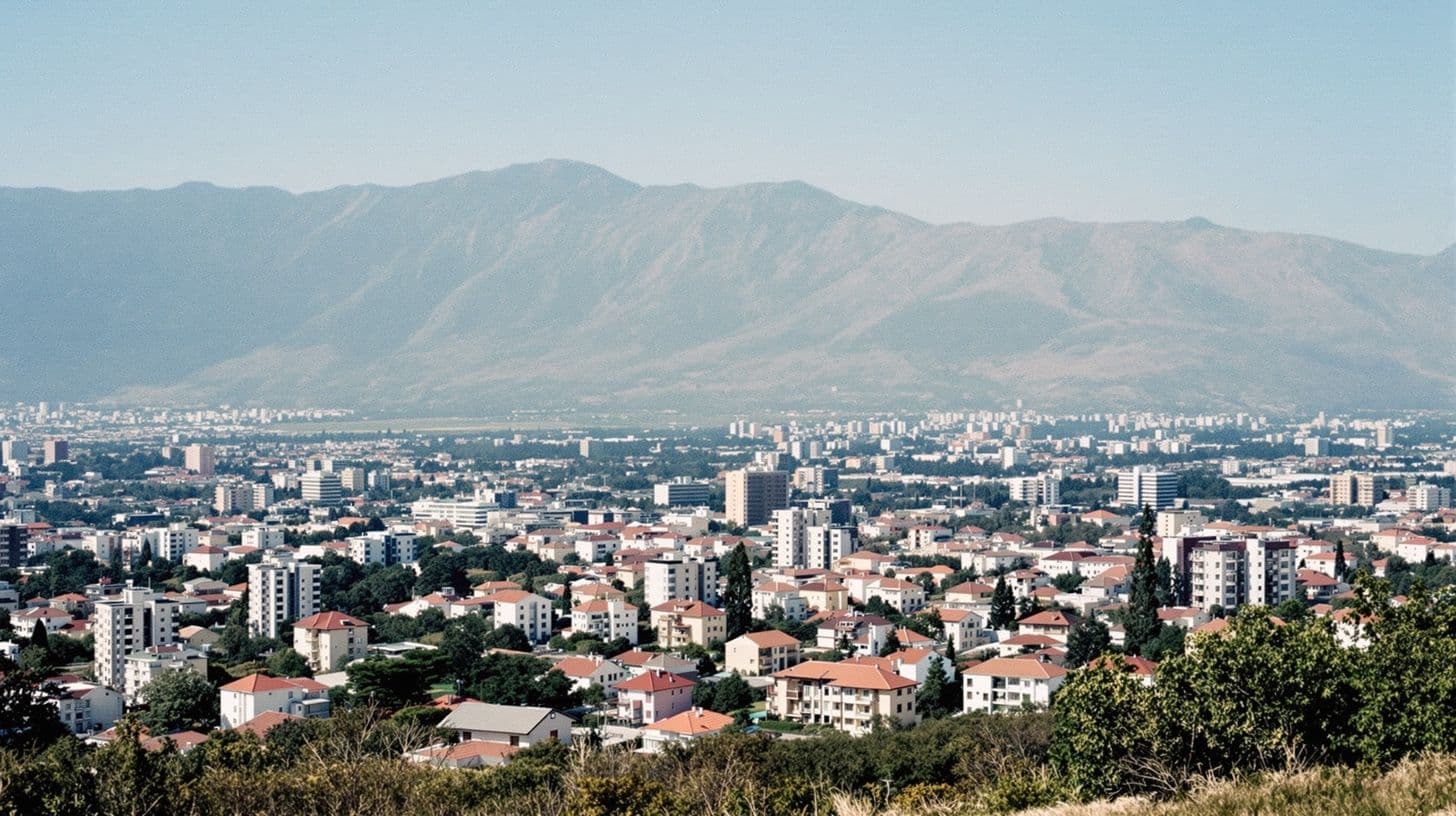
How many people live in Montenegro? The 2023 census counted 623,633 residents, and Monstat's estimate for mid-2025 is 623,115. Podgorica alone has 179,505, or 28.78%, and together with Nikšić and Bar holds 46.67% of the population. 46,878 residents, 7.52%, hold only a foreign citizenship, and in Budva they make up 31.86% of the town.
The census was carried out in December 2023 with the reference date of 31 October 2023. The figures below come from Monstat's final census results and its population estimates, checked on 25 September 2026.
How many people live in each municipality?
| Municipality | Population in 2023 | Foreign citizens only | Share |
| Podgorica | 179,505 | 11,626 | 6.48% |
| Nikšić | 65,705 | 1,277 | 1.94% |
| Bar | 45,812 | 7,534 | 16.45% |
| Bijelo Polje | 38,662 | 536 | 1.39% |
| Herceg Novi | 30,824 | 5,354 | 17.37% |
| Budva | 27,445 | 8,745 | 31.86% |
| Berane | 24,645 | 1,121 | 4.55% |
| Pljevlja | 24,134 | 406 | 1.68% |
| Rožaje | 23,184 | 613 | 2.64% |
| Kotor | 22,746 | 2,041 | 8.97% |
| Ulcinj | 20,507 | 999 | 4.87% |
| Danilovgrad | 18,617 | 782 | 4.20% |
| Tivat | 16,338 | 3,206 | 19.62% |
The table shows the 13 largest of Montenegro's 25 municipalities. The smallest are Šavnik with 1,569 residents, Plužine with 2,177 and Žabljak with 2,941.
Where do foreign residents come from?
| Citizenship | Residents with only this citizenship | Share of foreign citizens |
| Russia | 13,550 | 28.90% |
| Serbia | 13,031 | 27.80% |
| Bosnia and Herzegovina | 5,050 | 10.77% |
| Kosovo | 3,053 | 6.51% |
| Ukraine | 3,049 | 6.50% |
| EU countries | 2,602 | 5.55% |
| Turkey | 1,869 | 3.99% |
| Albania | 1,161 | 2.48% |
| Belarus | 738 | 1.57% |
Another 10,691 residents hold both Montenegrin and a foreign citizenship. Russians are the largest foreign group in Budva, with 3,967, and in Bar and Herceg Novi. Anyone who is not a Montenegrin citizen needs a residence permit to live there, as RoNa Legal explains in its guide to the residence permit in Montenegro.
What languages do people speak?
| Mother tongue | Share in 2023 |
| Serbian | 43.18% |
| Montenegrin | 34.52% |
| Bosnian | 6.97% |
| Albanian | 5.25% |
| Russian | 2.36% |
| Serbo-Croatian | 2.08% |
Of residents aged 15 and over, 37.97% speak English, rising to 54.06% in Budva and 54.05% in Kotor; 7.46% speak Russian.
How old is the population?
The average age was 39.73 years in 2023: 40.90 for women and 38.52 for men. Children up to 14 made up 18.03%, people aged 15 to 64 65.13% and those aged 65 and over 16.84%. Plužine had the oldest population, with an average of 47.32 years, and Rožaje the youngest, with 35.83. Life expectancy at birth was 78.1 years in 2025. What these towns cost to live in is compared in our guides to the cost of living and the best city to buy property, and daily life in the capital in Glatko's guide to living in Podgorica.
Frequently asked questions
What is the population of Montenegro in 2026? The 2023 census counted 623,633; Monstat estimated 623,115 for mid-2025.
What is the largest city in Montenegro? Podgorica, with 179,505 residents, 28.78% of the country.
How many foreigners live in Montenegro? 46,878 residents hold only a foreign citizenship, 7.52% of the population, and 10,691 more hold dual citizenship.
Which town in Montenegro has the most foreigners? Budva, where 31.86% of residents hold only a foreign citizenship.
What language is spoken in Montenegro? Serbian is the most common mother tongue, at 43.18%, followed by Montenegrin, the official language, at 34.52%.
Do people in Montenegro speak English? 37.97% of residents aged 15 and over do, and more than half in Budva and Kotor.
Sources
Population by municipality, age and sex comes from Monstat's census release on sex and age, and the mid-2025 estimate from its population estimates. Citizenship, mother tongue and foreign languages come from Monstat's census tables on the national open data portal: citizenship, mother tongue and foreign languages. Checked on 25 September 2026. Fijaka is a classifieds platform; census figures describe October 2023 and change over time.